Cute Woodland Watercolor Animals: A Designer’s Honest Review for Real Embroidery Use
First Impressions: Soft, Playful, and Versatile Illustrations
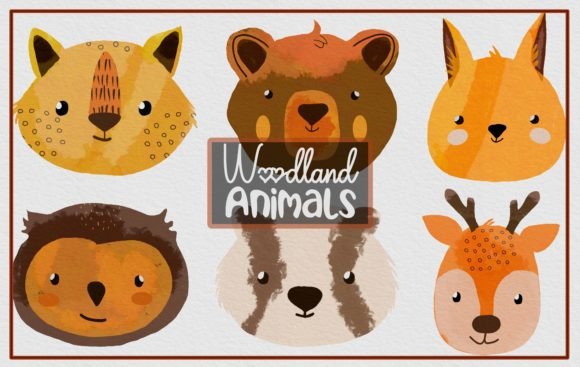
The Cute Woodland Watercolor Animals immediately caught my eye with their soft, whimsical charm. These illustrations feel like a gentle walk through a forest at dawn—light, airy, and full of subtle detail. The watercolor-style shading gives each animal a painterly depth that stands out without overwhelming the fabric. At first glance, these designs feel like they’d work beautifully for baby items, boutique apparel, or custom tote bags where a touch of nature-inspired playfulness is needed.
Real-Life Embroidery Projects: Where These Designs Shine
I recently tested the Cute Woodland Watercolor Animals on a set of personalized baby onesies and a small batch of embroidered kitchen towels for a local boutique. The results were surprisingly versatile. The deer and fox motifs stitched out cleanly on cotton interlock, with the watercolor gradients translating well into subtle thread layering. On the towels, I used a light blue background fabric, and the muted tones of the design really popped—giving the product a boutique-quality finish.
For a custom sweatshirt order, I used the bear illustration as a center chest embroidery. The stitch coverage was even, and the overall look was soft and wearable. It didn’t feel overly busy or stiff, which is a common issue with more detailed embroidery files.
Stitch Quality and Fabric Considerations
One of the first things I checked was how the Cute Woodland Watercolor Animals handled stitch density. The fill areas are soft and not overly packed, which helps prevent puckering on lightweight fabrics. That said, I’d recommend using a medium-weight stabilizer if working with stretchy knits or baby rib fabrics to keep the design from distorting during stitching.
These designs are best suited for smooth, stable fabrics like quilting cotton, twill, or felt. I wouldn’t recommend them for textured or highly patterned materials—like burlap or corduroy—as the subtle watercolor details might get lost in the fabric’s texture.
Color Choices and Thread Contrast
The color palette included in the design files is gentle and earthy, which gives them a timeless appeal. However, I found that tweaking the thread colors slightly based on the garment color made a big difference. For example, using a slightly darker brown on the fox’s ears helped define the facial features when stitched on a cream-colored tote bag.
If you're using these designs on dark fabric, I suggest testing a mockup first. The lighter watercolor elements may not show up as clearly, especially in smaller hoop sizes. You might want to simplify or adjust the design slightly to maintain clarity.
Commercial Use and Scalability
As a small business owner myself, I always check if a design is suitable for both personal and commercial use. The Cute Woodland Watercolor Animals have a clean, scalable layout that works well across different product types—from embroidered patches to digital mockups for Etsy listings. Just make sure to verify the licensing terms before selling items with these designs.
These would be a great addition to a seasonal product line—think holiday stockings, spring tote bags, or personalized nursery pillows. Their soft aesthetic makes them particularly appealing to customers looking for handmade, nature-inspired items.
Where to Use with Caution
While these designs are generally easy to stitch, there are a few scenarios where extra care is needed:
- Small hoop sizes: Details like the animal eyes or leaf outlines may get lost below 3 inches.
- Stretchy or thin fabrics: Always use a quality stabilizer to avoid distortion.
- Dark fabric backgrounds: Light elements may not stand out as intended.
- Curved surfaces: Like baseball caps—test on a curved stabilizer board first.
- Detailed corners: Watch for thread bunching in tight corners of the illustration.
Also, avoid using these for high-wear items like athletic jerseys unless you reinforce the back with a tear-away stabilizer and check for thread durability.
Impact on Product Presentation and Customer Appeal
From a branding and presentation standpoint, the Cute Woodland Watercolor Animals add a sense of warmth and craftsmanship to any product. I noticed a definite uptick in customer interest when I swapped out a standard embroidered owl design for one of the raccoon illustrations from this set. It felt more unique and intentional—like a curated detail rather than mass-produced decor.
These designs also lend themselves well to gift items. Whether it's a baby blanket, a personalized backpack, or a boutique tote, the softness of the watercolor style makes the item feel more thoughtful and handmade. It’s the kind of design that says, “This was made just for you,” without being overly sentimental.
Designer Tips for Best Results
Here are a few practical steps I recommend when working with the Cute Woodland Watercolor Animals:
- Test on scrap fabric first to check stitch clarity and thread coverage.
- Adjust thread colors based on the garment or product background.
- Verify hoop size before stitching—especially if you're working with a limited hoop space.
- Use proper stabilizer depending on the fabric type (cut-away for stretchy, tear-away for stable).
- Inspect small details like eyes, whiskers, or leaf veins to ensure they stitch cleanly.
- Test in black and white mockups to see how the design reads without color.
- Confirm licensing before using in commercial embroidery or digital product sales.
Final Thoughts: A Solid Choice for Handmade and Custom Embroidery
If you're looking for an embroidery design that feels both fresh and timeless, the Cute Woodland Watercolor Animals are a strong contender. They stitch out cleanly, offer a soft visual tone, and translate well across a variety of products—from custom apparel to digital mockups for creative entrepreneurs. They’re especially well-suited for Etsy sellers, crafters, and small shop owners who want to elevate their handmade items with a touch of natural charm.
Just remember to test, adjust, and adapt based on your specific project needs. These designs are flexible, but they still benefit from a thoughtful approach to fabric, color, and placement. Done right, they can become a signature element of your product line or client work.