Watercolor Black Clipart: A Designer’s Honest Take for Real Embroidery Use
First Impressions: Mood, Style, and Embroidery Readiness
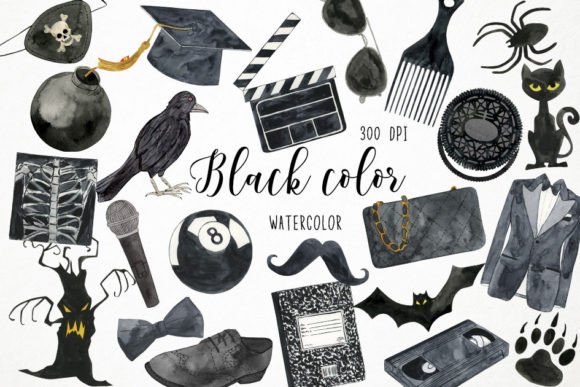
When I first opened the Watercolor Black Color Clipart, I was struck by its soft yet bold aesthetic. It's a design that walks the line between painterly and structured—perfect for those looking to add a touch of artistic flair without going overboard. The watercolor texture gives it depth, while the black color keeps it grounded and versatile. It doesn’t scream for attention, but it definitely makes a statement.
The layout is clean and well-balanced, with intentional negative space that helps the main elements stand out. This is important in embroidery, where too much detail can easily become muddled. The level of detail feels just right for both small and medium-sized hoop projects, and the overall visual personality leans toward modern minimalism with a hand-painted edge.
Real-Life Embroidery Use: From Tote Bags to Sweatshirts
I tested this design on a few different items, starting with a custom embroidered tote bag. The black color popped beautifully on a natural cotton canvas, and the watercolor texture gave it a unique handmade look that felt intentional, not accidental. It would work just as well on a linen apron or a denim jacket—fabrics that can support the visual weight of the design without overwhelming it.
Next, I stitched it onto a medium-weight sweatshirt. The texture of the fabric helped blend the watercolor effect seamlessly into the garment, giving it a slightly distressed, vintage feel. It looked like it belonged there, not just added on. For baby clothes, I’d recommend a smaller version to avoid too much bulk, but the soft edges make it feel gentle and appropriate for nursery items.
Commercial Appeal and Etsy-Ready Potential
If you're an Etsy seller or small shop owner, this design could be a quiet winner. It has that “curated” look customers love—something that feels unique and artistic without being too niche. It’s the kind of design that could be used across a variety of products: from embroidered patches to holiday gift tags, from personalized tea towels to boutique-style sweatshirts.
What makes it especially valuable is its adaptability. You could pair it with minimalist branding, use it as a standalone accent, or layer it with text or other small motifs. In a commercial embroidery setting, it’s the kind of design that can be stitched quickly without sacrificing visual impact.
Where to Be Careful: Fabric, Size, and Detail Considerations
While the Watercolor Black Color Clipart works well in many scenarios, there are a few situations where caution is advised. First, on thin or stretchy fabrics like jersey or lightweight knits, the watercolor texture might not translate as cleanly. The subtle shading can get lost or distort during stitching, especially if the fabric isn’t properly stabilized.
Small hoop sizes are another concern. If you're working with a 4x4 hoop or smaller, test the design first. The watercolor effect relies on slight variations in density, which can be compressed into a tiny space and lose their intended softness. Similarly, on dark fabrics, the black color won’t offer much contrast, so you’ll need to consider adding a white underlay or switching to a lighter thread color.
Curved surfaces like caps or sleeves can also present challenges. The texture might not flow as smoothly across a rounded area, and sharp corners or small details could become distorted. If you're using this in a layered garment like a quilted pillow or a lined tote, make sure the design doesn’t sit too close to seams or folds where distortion is likely.
Stitching Clarity and Visual Appeal
One of the standout features of this design is how clearly it reads after stitching. Despite the watercolor texture, the main lines and shapes hold up well in satin and fill stitches. I noticed that the transitions between light and dark areas were smooth, with no jagged edges or skipped stitches—always a concern with textured designs.
From a visual standpoint, the black color gives it a timeless quality. It’s not trendy in a way that will feel outdated in a year, which makes it ideal for both personal and commercial embroidery projects. Whether you're creating a personalized gift or a small batch of boutique items, this design adds a touch of sophistication without being overly formal.
Practical Notes for Embroidery Designers
Before stitching, always test the Watercolor Black Color Clipart on a scrap of your intended fabric. This is especially important when using textured or stretchy materials. Check the stitch density and make adjustments if needed—especially in the shaded areas where thread buildup can occur.
Thread color contrast matters more than you might expect. While the design is black, try stitching it in a dark gray or charcoal to see how the texture changes. You may find that a slightly lighter shade enhances the watercolor effect more than pure black.
Confirm the hoop size and stabilizer type before starting. A medium-weight cutaway stabilizer works best for most applications, especially if you're using a heavier fabric like canvas or denim. For lighter materials, a tear-away or wash-away stabilizer may be more appropriate.
If you're planning to sell finished items or digital embroidery files, be sure to check the licensing. This is especially important for Etsy sellers and other digital product creators who need to ensure they’re compliant when offering stitched items or design assets for resale.
Final Thoughts: A Thoughtful Addition to Any Embroidery Kit
The Watercolor Black Color Clipart is more than just a design—it’s a versatile tool for embroidery designers, crafters, and small business owners. Whether you're creating a personalized gift, updating your Etsy shop, or adding a subtle accent to a client’s custom apparel, this design delivers both style and substance.
It’s the kind of embroidery file that works quietly in the background, enhancing your product without overshadowing it. And in a world where handmade presentation and brand consistency matter more than ever, that’s a valuable trait.