Watercolor Cloud Clipart for Creative Sellers: A Practical Review
As a digital product creator with years of experience selling across Etsy, Canva, and print-on-demand platforms, I'm always on the lookout for design assets that offer flexibility without sacrificing visual appeal. Recently, I came across Watercolor Cloud Clipart and decided to test it across several product mockups before publishing new listings. Here's a real-world breakdown of how this graphic design asset performed and where it shines for online sellers.
First Impressions: Soft, Versatile, and Ready for Commercial Use
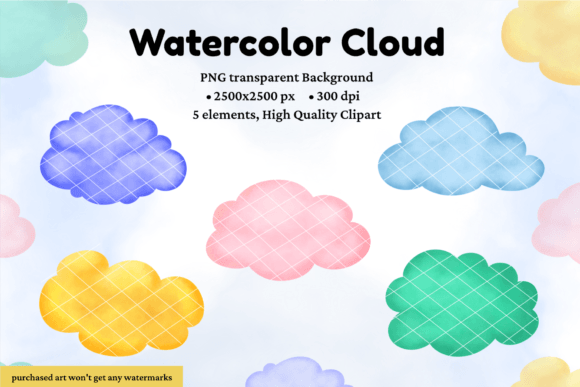
The first thing I noticed about Watercolor Cloud Clipart was the soft, painterly texture. It has a gentle, almost dreamy aesthetic that feels handmade yet professional. This makes it ideal for niches like baby showers, nursery prints, spring collections, or any design that leans into a soft, feminine, or nature-inspired theme.
The illustrations have a transparent PNG background, which is a big plus for digital sellers needing flexibility. I could easily layer them over pastel tones or mix them with other design elements in Canva and Cricut projects. It’s not bold or edgy, but that’s the point—it’s versatile enough to blend into a variety of themes without overpowering the overall design.
Real-World Use: From Planner Stickers to T-Shirt Graphics
I tested the Watercolor Cloud Clipart across several product types to see where it truly excels:
- Printable wall art – Paired with soft typography and pastel backdrops, these clouds added a whimsical touch to nursery prints and motivational quotes.
- Planner stickers – The delicate outlines worked well for monthly mood trackers and seasonal bullet journal inserts.
- T-shirt designs – Layered with script fonts and soft gradients, the clipart created a relaxed, boutique-style look perfect for spring collections.
- Canva templates – I dropped them into social media templates and blog graphics. They gave a handmade feel without looking cluttered.
- Cricut projects – SVG files cut cleanly on my machine, and the watercolor texture held up well when layered with cardstock.
It also worked surprisingly well in sublimation mockups for mugs and tumblers. The soft edges gave a hand-painted look that customers might associate with premium, artisanal products.
Product Presentation: Boosting Thumbnail Appeal and Brand Consistency
When building a cohesive product line, especially for Etsy or Shopify, consistency is key. These clouds helped me maintain a soft, unified aesthetic across multiple product types. I used them in listing thumbnails, product mockups, and even packaging design previews.
The visual storytelling angle is strong here—imagine a seasonal bundle featuring clouds, florals, and soft raindrops. It instantly communicates a weather-themed or spring collection. This kind of curated design can help with customer trust and perceived value, especially when selling digital downloads or themed design bundles.
Where It Works Best: Highlighting the Sweet Spots
Based on my testing, here are the top use cases where Watercolor Cloud Clipart really stands out:
- Themed digital bundles – Combine with raindrops, sunbursts, and pastel frames for a complete spring or weather-themed design pack.
- Printable wall art – Especially for nurseries, baby showers, or meditation-themed prints.
- Social media promos – Use in Instagram story templates or Pinterest graphics to add a soft background texture.
- Canva templates – Ideal for blog headers, quote cards, and landing page graphics.
- Product mockups – Looks great in t-shirt, mug, and tote bag previews that lean into a gentle, artistic vibe.
Where to Use It Carefully: Limitations to Watch For
Despite its charm, there are situations where Watercolor Cloud Clipart may not be the best fit:
- Tiny sticker details – The soft texture can get lost on very small print sizes, especially for planner stickers or digital stickers used in Canva.
- Dark backgrounds – Some of the lighter watercolor strokes fade when placed on dark or busy backgrounds.
- Text-heavy layouts – These clouds are decorative, so they can distract from clean, minimalist designs that rely heavily on typography.
- Cricut cutting lines – While the SVG file is clean, intricate edges might require extra tweaking for precise cutting on intricate projects.
- Low-resolution print products – Always check file resolution before using for print-on-demand services to avoid pixelation.
Practical Seller Notes: Test Before You List
Before publishing any product that uses Watercolor Cloud Clipart, here are a few steps I recommend:
- Preview as a thumbnail – Does it catch the eye on a marketplace listing? If it blends in too much, consider pairing it with bolder elements.
- Test on white and dark backgrounds – Make sure the details remain visible in both scenarios.
- Check SVG cut quality – Load it into your Cricut or Silhouette software and test the cut lines on a sample material.
- Verify commercial licensing – Confirm that the clipart includes a commercial license for resale in finished products.
- Pair with fonts – I found it worked best with script fonts and soft sans serifs. Avoid pairing with overly bold or geometric typefaces unless you want contrast.
Also, make sure to organize the files clearly if you're reselling them as part of a design bundle. Clean file naming and folder structure help buyers trust your digital product and use it more efficiently.
Final Thoughts: A Solid Addition for Themed Creative Products
Overall, Watercolor Cloud Clipart is a reliable, aesthetically pleasing design asset for creative sellers. It’s not a one-size-fits-all solution, but in the right context—like a soft-themed Canva template pack or a seasonal Etsy collection—it can elevate your product visuals and help build a more professional brand identity.
If you're a small business owner or digital product creator looking to add a touch of handmade charm to your offerings, this clipart is worth testing across your product mockups before launch. Just remember to evaluate its performance in real use cases and double-check file quality and licensing before listing.