Watercolor Flower Illustrations: A Soft, Versatile Design Asset for Branding and Print-on-Demand Projects
First Impressions: A Dreamy, Organic Design Style with Commercial Appeal
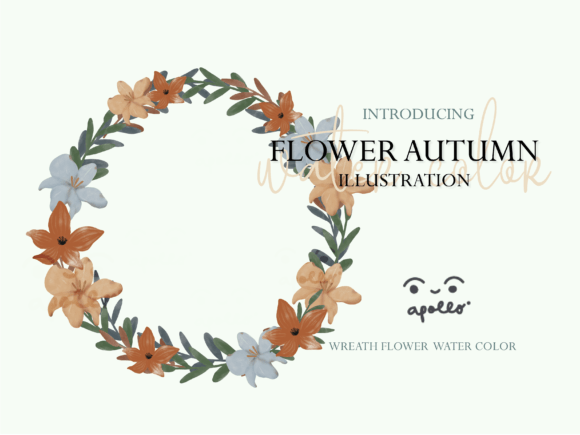
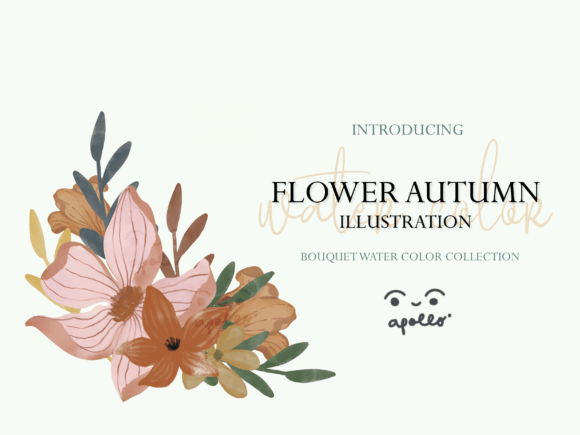
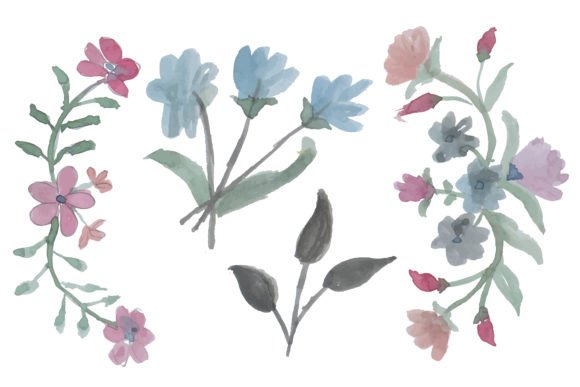
As a designer who regularly works with small business clients and handmade brands, I was immediately drawn to the Watercolor Flower, Sublimation Clipart for its soft, organic aesthetic. The illustrations carry a gentle, hand-painted texture that feels both natural and expressive. The watercolor technique lends a sense of authenticity and warmth, making it ideal for brands that want to evoke a handmade or artisanal vibe.
Visually, these illustrations feel like they'd fit best with brands in wellness, botanicals, stationery, home décor, and seasonal gifting. The color palette is soft but varied, with subtle gradients and brushstroke imperfections that add character without overwhelming the design space. This makes it a strong contender for projects where emotional appeal and visual trust are key to connecting with the audience.
Practical Uses Across Design Deliverables
This design asset performs exceptionally well in a variety of design applications. Here’s how I see it integrating into real client projects:
- Logo design – Can be used as a secondary brand icon or integrated into a custom logo mark for a boutique or wellness brand.
- Product packaging – Adds a soft, elegant touch to labels, boxes, and tissue paper for handmade soap, candles, or organic skincare.
- Printable designs – Perfect for planners, quote prints, or greeting cards, especially when paired with clean typography.
- Merchandise design – Works beautifully on tote bags, mugs, and t-shirts where a delicate, feminine aesthetic is desired.
- Social media graphics – Ideal for Instagram stories or Pinterest pins that promote seasonal collections or botanical-themed content.
- Canva templates – A great visual anchor for digital creators building branded templates for clients or their own content.
- Cricut projects – Compatible with craft-based workflows for custom stickers, decals, or home décor elements.
Where This Clipart Shines Visually
Watercolor Flower, Sublimation Clipart truly comes to life in design contexts that allow for its organic textures to breathe. It works best when used in:
- Hero graphics on landing pages or product mockups where the design is the focal point.
- Themed collections such as spring or floral campaigns, botanical brands, or wellness-focused product lines.
- Packaging details like envelope liners, sticker seals, or border elements that add a soft visual accent.
- Supporting brand elements such as pattern backgrounds, divider lines, or decorative flourishes in editorial or web design.
When to Use It with Care
While this asset is versatile, it’s not a one-size-fits-all solution. I’d advise caution when using it in:
- Small sizes – The watercolor texture can get lost or appear muddy at very small scales.
- Crowded layouts – Its soft edges and subtle tones may not stand out against complex or busy backgrounds.
- Minimalist branding – May feel too ornate or inconsistent with clean, modern design systems.
- Corporate or formal materials – Unless the brand intentionally leans into a softer, expressive identity, this style may not align with a professional tone.
Impact on Readability, Hierarchy, and Brand Consistency
One of the key considerations when integrating Watercolor Flower, Sublimation Clipart into a design system is how it affects visual hierarchy and readability. Because of its textured, flowing nature, it’s best used as a decorative element rather than a dominant layout component.
When placed near text, especially in editorial or packaging design, test the contrast between the illustration and the type. You may need to add a white buffer or shadow behind the text to ensure legibility. Pairing it with serif or script fonts enhances the organic feel, while combining it with sans-serif fonts creates a modern-meets-soft contrast that works well in lifestyle branding.
Designer Notes: Technical Checks Before Final Use
Before finalizing this asset for a client or commercial project, here are a few technical checks I always perform:
- Test in black and white – See how the illustration translates in monochrome for print or accessibility purposes.
- Check contrast on light and dark backgrounds – Some watercolor textures may fade on dark tones.
- Preview at different sizes – Ensure clarity and detail hold up from large posters to small stickers.
- Place on real mockups – Use tools like Placeit or Photoshop to simulate how it looks on t-shirts, mugs, etc.
- Test print quality – Especially if used in packaging or product labels, check for color accuracy and resolution.
- Review file formats – Confirm whether SVG, PNG, or EPS files are included for flexibility across platforms.
- Inspect PNG transparency – If transparency is required, make sure the edges are clean and free of halos.
- Confirm commercial licensing – Always double-check that the asset includes a commercial license for resale or client work.
Why This Clipart Belongs in Your Design Toolkit
For designers working with small businesses, Etsy sellers, and print-on-demand entrepreneurs, Watercolor Flower, Sublimation Clipart offers a ready-made visual language that communicates warmth, authenticity, and craftsmanship. It’s a design asset that bridges the gap between artistic expression and commercial usability, especially when time is limited and the client needs something that “just works” visually.
Whether you're designing a new line of botanical candles, a seasonal greeting card collection, or a soft pastel t-shirt series, this illustration set gives you a flexible foundation that can be adapted across multiple mediums. Paired with the right typography and color scheme, it can elevate the overall impression of a project from generic to boutique-level quality.
Final Thoughts: A Thoughtful Addition to Your Creative Marketplace Workflow
In a landscape where design assets are often either too generic or overly stylized, Watercolor Flower, Sublimation Clipart strikes a balanced, usable middle ground. It’s not just a pretty graphic—it’s a creative design tool that, when used thoughtfully, supports brand storytelling and visual consistency.
If you're working on a handmade business identity, a seasonal campaign, or a printable product line, this clipart deserves a spot in your design toolkit. Just remember to test it thoroughly, pair it with the right design elements, and ensure it aligns with your client’s brand voice before final delivery.