Wildflower Aesthetics Watercolor Clipart: A Designer’s Real-World Review for Brand & Marketing Projects
Opening the Wildflower Aesthetics Watercolor Clipart bundle feels like stepping into a sunlit meadow—soft edges, organic shapes, and a gentle color palette immediately set a calm, inviting tone. As a designer working on a new client project for a small herbal tea brand, I was looking for visual elements that could bridge the gap between nature and modern simplicity. These illustrations offered a promising blend of handcrafted charm and digital usability, so I put them through a practical design evaluation.
First Impressions: Organic, Soft, and Versatile
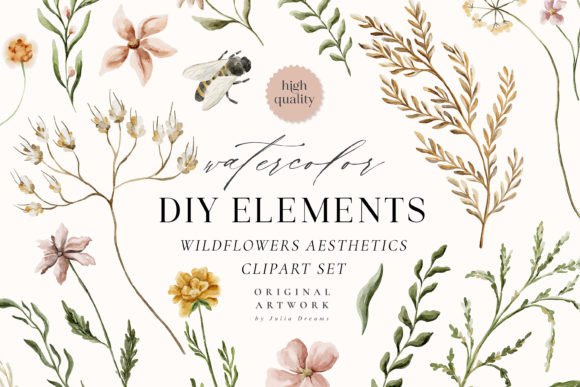
The first thing I noticed was the consistency in brushstroke texture and watercolor diffusion. Each illustration feels like it was painted with intention—neither too loose nor overly controlled. The color range leans toward muted pastels with a few bolder accents, making it ideal for brands aiming to evoke warmth, authenticity, and a touch of nostalgia.
From a mood perspective, these illustrations are inherently approachable. They work well for brands that want to feel grounded, thoughtful, and artisanal. Think handmade soap labels, botanical packaging, wellness marketing, or seasonal product lines. The aesthetic leans more toward Etsy-style shops and indie brands than corporate wellness platforms, so it’s important to align this visual language with the right client tone.
Performance Across Design Applications
I tested the Wildflower Aesthetics Watercolor Clipart across several design applications to see how it holds up in real-world use. Here’s how it performed:
Logo Design & Brand Identity
While not ideal as a primary logo mark, these illustrations can serve beautifully as secondary brand elements. For example, I layered a watercolor leaf motif behind a clean sans-serif logotype for a tea brand, and it added depth without overwhelming the typography.
Product Labels & Packaging Design
Used as decorative borders or central illustrations on tea tins and tea bag tags, the clipart added a sense of handcrafted care. The soft edges helped create a premium, artisanal feel—especially when paired with kraft paper or pastel-toned packaging.
Social Media Graphics & Marketing Visuals
In Instagram posts and Pinterest pins, the illustrations brought a sense of organic warmth. I used a floral wreath as a background accent for quote graphics, and it worked well without competing with the text. On lighter backgrounds, the transparency in the PNG files allowed for seamless blending.
Canva Templates & Cricut Projects
For clients using DIY tools like Canva or Cricut, this design asset is a strong contender. The PNG files are high-res and cleanly cut, which means they scale well and layer nicely over other elements. I dropped a few motifs into a Canva template for printable wall art, and they looked polished and professional.
Printable Design & Editorial Layouts
In editorial design, I used a watercolor vine as a page divider in a digital magazine layout. It added a gentle rhythm without disrupting readability. For printables like recipe cards or planner pages, the clipart brought a soft, personal touch.
Wildflower Aesthetics Watercolor Clipart excels in the following design contexts:
- Hero Graphics: on landing pages or blog headers, where the softness creates a welcoming entry point
- Packaging Details: like label accents, box liners, or envelope seals
- Themed Collections: for seasonal campaigns, gift sets, or holiday promotions
- Supporting Brand Elements: such as pattern overlays, background textures, or decorative dividers
Where to Use with Caution
Despite its strengths, this clipart isn’t a one-size-fits-all solution. Here are some situations where I found it needed more careful handling:
- Small Sizes: The delicate brushstrokes can get lost on tiny stickers or mobile app icons
- Crowded Layouts: In complex compositions, it tends to fade into the background instead of standing out
- Low-Contrast Designs: On pastel-on-pastel combinations, the visual impact diminishes
- Minimalist Branding: If the brand leans into stark, clean aesthetics, this asset might feel out of place
- Corporate or Professional Materials: Annual reports, legal documents, or formal presentations may not benefit from this organic style
Visual Impact and Brand Perception
Incorporating Wildflower Aesthetics Watercolor Clipart into a design can significantly influence how an audience perceives a brand. Emotionally, it evokes a sense of calm, creativity, and craftsmanship. From a design hierarchy standpoint, it works best as a supporting visual rather than a dominant focal point.
Brand consistency is key—so I made sure to test the clipart across multiple brand assets. It maintained a cohesive look across packaging mockups, digital ads, and printables, which is crucial for client deliverables. However, I had to adjust the color saturation slightly in some cases to match the brand’s primary palette.
Before finalizing this asset for a client, I ran through a checklist to ensure technical and legal readiness:
- Test in Black and White: I converted a few motifs to grayscale to see if they’d still work for monochrome print
- Check Contrast: Previewed on both light and dark backgrounds to assess visibility
- Preview at Different Sizes: Zoomed in and out to evaluate detail retention and clarity
- Place on Real Mockups: Used them in packaging and t-shirt mockups to see how they translated into physical products
- Test Print Quality: Ran a sample print to check for color accuracy and resolution
- Review File Formats: Confirmed that both PNG and SVG versions were included for flexibility
- Inspect Transparency: Verified that the PNG files had clean edges and no jagged pixels
- Check Vector Editability: The SVG files were fully editable in Illustrator, which is a plus for customization
- Font Pairing Tests: Paired with serif, sans-serif, script, and display fonts—worked best with handwritten and serif styles
- Confirm Licensing: Double-checked that the commercial license was valid for print-on-demand and digital resale
Final Thoughts: A Thoughtful Creative Asset for the Right Project
Wildflower Aesthetics Watercolor Clipart is a well-crafted design asset that brings a sense of organic beauty and emotional resonance to visual work. It's especially valuable for designers working with small businesses, handmade brands, and creative entrepreneurs who want to communicate warmth, authenticity, and a connection to nature.
For the herbal tea brand project, these illustrations helped elevate the packaging and marketing visuals from generic to bespoke. They added that subtle “handmade” touch that resonates with conscious consumers and design-savvy audiences alike.
If you're a designer, marketer, or creative entrepreneur looking to enhance your visual storytelling with a natural, soft aesthetic, this clipart bundle is worth serious consideration—just be mindful of the design context and technical execution. Used thoughtfully, it can be the difference between a good design and a truly memorable one.